Effective Strategies for Suicide Prevention in Colleges
Understanding the CDC’s New Suicide Prevention Communication Playbook
Quick Summary
The CDC’s Suicide Prevention Communication Playbook provides essential strategies for effective suicide prevention campaigns in campus settings.
Readers will learn about the playbook's key components and how Clover’s training program can enhance prevention efforts at colleges and universities.
This guide is aimed at faculty, staff, and administrators who seek practical solutions for supporting student mental health.
Introduction
Every year, thousands of college students face immense pressures that can lead to overwhelming feelings of hopelessness. According to the National Institute of Mental Health, one in four young adults experiences a mental health crisis at some point during their college years. For faculty, staff, and administrators in higher education, this reality can feel daunting. You want to support students, but where do you start?
The CDC’s Suicide Prevention Communication Playbook serves as a vital resource to address this challenge. It offers a structured approach to creating impactful suicide prevention campaigns designed to drive meaningful change on campuses. By leveraging insights from this playbook and considering Clover's Suicide Prevention for College Student (SPCS) Gatekeepers training, colleges and universities can significantly improve their mental health initiatives.
Key Components of the CDC Playbook
Science-Based Communication
At its core, effective suicide prevention hinges on evidence-based communication. The CDC Playbook emphasizes the need for campaigns to be grounded in established best practices and communication science. For example, studies show that messages framed around hope and recovery can resonate more positively with audiences, encouraging them to take tangible actions towards seeking help CDC.
Behavior Change Focus
Raising awareness about suicide is important, but it’s not enough. The Playbook advocates for campaigns that promote specific, actionable steps for preventing suicide—such as identifying when someone is in crisis and knowing how to intervene. Research indicates that when campuses implement programs that encourage such behavior changes, they witness a reduction in suicidal ideation among students CDC.
Community Integration
Effective campaigns also consider the broader community context. This means recognizing external factors that influence suicide risk, such as access to healthcare and stable housing. By aligning efforts with local resources and initiatives, college leaders can create more robust support networks for students. For instance, schools that integrate health services with mental health support report higher engagement levels from students facing crisis situations CDC.
Safe Messaging Guidelines
The messaging used in campaigns matters greatly. The Playbook calls for using non-judgmental and sensitive language that emphasizes the preventability of suicide, providing a narrative of resilience rather than defeat. By adopting these guidelines, institutions can promote a more supportive environment that encourages individuals to seek help without fear of stigma CDC.
Audience-Centered Design
Understanding your audience is paramount. The Playbook underscores the importance of tailoring messages to resonate with specific populations, taking into account their communication preferences and cultural influences. Campuses that effectively engage their communities achieve greater reach and impact when the messages resonate on a personal level CDC.
Implementation Process
The CDC outlines a non-linear process for implementing their strategies, with several integral components:
- Audience Identification: Tools for recognizing specific high-risk groups and their networks are essential in tailoring communications effectively Penn State.
- Campaign Development: The Playbook provides a structured approach to crafting effective messaging, helping stakeholders create materials that stand out.
- Partner Toolkit: This section of the Playbook offers resources to facilitate campaign discussions and partnerships, promoting broader engagement and stakeholder buy-in CDC.
Application for College and University Settings
Implementing these strategies effectively in a college environment can be greatly enhanced by incorporating Clover Educational Consulting Group's Suicide Prevention for College Student (SPCS) Gatekeepers training program.
Evidence-Based Approach
Clover's SPCS program aligns closely with the CDC's emphasis on evidence-based interventions. By equipping staff and faculty with research-backed training, the program prepares them to face the nuanced challenges present in higher education settings. For example, a study by the American Psychological Association found that targeted training significantly improves the ability of faculty to recognize and respond to at-risk students American Psychological Association.
Campus-Wide Engagement
Clover’s training program engages a broad array of campus stakeholders, transforming faculty, staff, and administrators into proactive gatekeepers. This focus on community involvement aligns with the Playbook’s community integration principle—creating a network of support that transcends counseling centers. When faculty and staff are trained to recognize signs of distress, they become critical connectors for students in crisis.
Practical Skill Development
While communication initiatives raise awareness, Clover's SPCS program offers vital, hands-on skills for identifying at-risk students and initiating supportive conversations. According to a report by the National Suicide Prevention Lifeline, individuals trained in such skills are 50% more likely to know how to direct someone in crisis to the appropriate resources National Suicide Prevention Lifeline.
Cultural Competence
Clover recognizes the importance of cultural competence in training. By addressing the specific needs of marginalized student populations, the SPCS program enhances the effectiveness of messaging and outreach. This aligns seamlessly with the CDC’s commitment to culturally sensitive communication strategies, ensuring that interventions reach diverse audiences effectively.
Sustainable Implementation
Clover’s SPCS program provides ongoing training opportunities and skills maintenance, ensuring a sustainable capacity for suicide prevention on campus. By investing in continuous learning, colleges can foster an environment where mental health discussions remain active and supportive.
Key Takeaways
- Implementing the CDC Playbook: It provides structured guidance for effective suicide prevention campaigns.
- Clover's SPCS Program Complements the Playbook: Offers evidence-based training that empowers faculty and staff.
- Community Engagement: Creating a network of trained individuals multiplies the impact of prevention efforts.
- Cultural Sensitivity Matters: Addressing diverse backgrounds is crucial for effective outreach and support.
- Sustainable Practices: Continuous training ensures ongoing support for mental health initiatives on campus.
By integrating Clover's SPCS Gatekeepers training with the insights from the CDC’s Suicide Prevention Communication Playbook, colleges and universities can establish a comprehensive and effective approach to suicide prevention.
Take the first step toward a safer campus today. Explore Clover's Suicide Prevention for College Student (SPCS) Gatekeepers training program, including our Certified Instructor Training. Enhance your understanding through Clover's Continuing Education courses, and get in touch to receive tailored training on topics related to mental health or suicide prevention. Together, we can foster a culture of support and resilience for all students.


Understanding College Student Suicide Risks and Prevention Strategies
Addressing College Student Suicide Risk and Prevalence: What Faculty and Administrators Need to Know
As faculty, staff, and administrators at colleges and universities, understanding the risk and prevalence of suicide among college students is essential for fostering a healthy campus environment. This demographic faces unique mental health challenges, and increasing awareness about the factors that contribute to suicide risk is crucial for implementing effective prevention strategies on your campus.
 The Alarming Reality of College Student Suicide
Suicide ranks among the leading causes of death for college-aged individuals, making it a pressing issue for academic institutions across the nation. While specific statistics may vary, it's clear that mental health issues are alarmingly prevalent within this population—underscoring the urgent need for robust support systems on campuses. The American College Health Association found that around 11% of students surveyed reported having seriously considered suicide in the past year, illustrating the magnitude of the crisis (source: ACHA).
Considering this data, it's essential for institutions to engage with these challenges head-on. Understanding the dynamics at play allows colleges and universities to develop targeted interventions and support mechanisms for students in need.
Understanding the Risk Factors
Several factors can contribute to an elevated risk of suicide among college students. Recognizing these risk factors is the first step in effectively addressing them:
- Academic Pressure: The intense expectations surrounding academic performance can lead to heightened stress and anxiety, contributing to mental health struggles.
- Social Challenges: Many students face difficulties in adjusting to new environments, leading to feelings of isolation and loneliness.
- Financial Stress: The burden of tuition, student loans, and living expenses can create significant anxiety, impacting mental wellbeing.
- Identity Development: College is a critical time for personal and identity exploration, and struggles in this area can complicate mental health further.
- Substance Use: Issues related to drug and alcohol use can exacerbate pre-existing mental health conditions, making support and intervention crucial.
- Access to Mental Health Services: Some campuses may lack sufficient mental health resources, limiting students' ability to seek help when needed.
By fostering a better understanding of these factors, colleges can implement more comprehensive support systems to address the needs of their students.
Effective Campus Prevention Strategies
In light of these challenges, colleges and universities are stepping up to provide mental health support through various innovative approaches:
- Mental Health First Aid Training: Programs that train members of the campus community to recognize and respond to mental health crises are vital. Training similar to that offered by Mental Health First Aid USA equips participants with the skills needed to assist peers in distress.
- Peer Support Services: Creating peer support networks acknowledges the power of peer relationships in mental health discussions. Institutions are finding that peer connections can often make students feel safer seeking help.
- On-Campus Counseling Centers: Providing access to qualified mental health professionals is crucial. Certified counselors can offer necessary support and interventions tailored to student needs.
- Accredited Behavioral Health Programs: Some institutions work diligently to maintain comprehensive behavioral health care programs that meet national accreditation standards, ensuring that students receive high-quality care.
Supporting Mental Health: What Faculty and Administrators Can Do
Faculty and staff play a critical role in supporting student mental health. Here are several actionable steps to enhance campus mental health support initiatives:
- Evaluation Services: It's essential to assess the effectiveness of current mental health programs. This helps identify areas of improvement and ensures that the initiatives in place are working effectively.
- Expert Research Support: Engaging with mental health professionals and researchers can aid in understanding best practices for suicide prevention. Staying informed about current research can guide effective programming and policy-making.
- Training on Suicide Prevention: Faculty and staff should be equipped with training on recognizing warning signs and effective interventions. Providing gatekeeper training ensures that more community members can play active roles in prevention.
- Implement Screening Programs: Engaging in evidence-based screening can help identify at-risk students early. This proactive approach can change the course for many.
- Strengthen Access to Mental Health Services: Ensuring adequate staffing and resources for mental health services is vital. Encourage students to utilize these resources and normalize help-seeking behavior.
- Create Clear Protocols: Develop procedures for identifying and providing support to at-risk students. Having clear guidelines can help faculty and staff feel more confident intervening when necessary.
- Postvention Strategies: Crafting comprehensive strategies for when tragedies occur on campus is also crucial. These plans help ensure that the community can heal and that students can receive the support they need.
Moving Forward Together
The challenge of addressing suicide risk among college students can feel daunting, but it is essential to take proactive steps. By understanding the prevalence and risk factors, implementing robust prevention strategies, and emphasizing the need for ongoing support and evaluation, faculty, staff, and administrators can create a supportive environment that nurtures student wellbeing.
If you’re interested in expanding your institution’s capacity to tackle these issues, we invite you to explore Clover Educational Consulting Group's online resources. Our on-demand library of Continuing Education offerings covers the latest in mental health training and campus suicide prevention strategies.
Together, we can make a difference. Reach out to us today to inquire about our evaluation services or if you need additional information about evidence-based training programs tailored to your campus needs. Let's work towards creating a safer, healthier environment for all students.
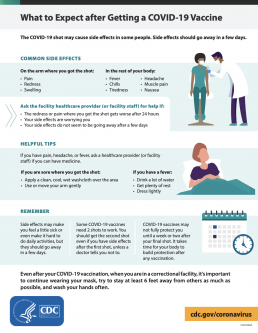
What to Expect after getting the COVID-19 Vaccine
The CDC provides helpful tips on what to expect and look out for after being vaccinated.
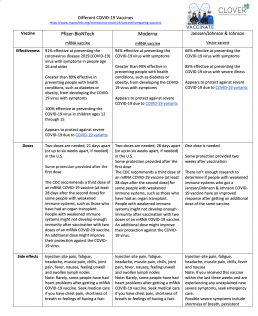
Comparing COVID-19 Vaccines
Explore the effectiveness, doses, side effects, and more of the three COVID-19 vaccines available in the US.
Start your Recovery
Start Your Recovery is a groundbreaking website developed by bringing together experts in substance misuse treatment from leading nonprofit, academic, and government institutions. Through this resource, individuals can hear stories from people with similar experiences, discover the answers they need for recognizing and dealing with substance misuse, and locate support

College Suicide Prevention Guide
The risk of suicide among college students continues to rise. According to a 2019 study conducted by the American College Health Association, 2 in 3 undergraduates felt overwhelming anxiety in the past 12 months, and 14% seriously considered suicide.